How Traditional Stroopwafels Compare With Modern Lower-Sugar Versions
Understanding the appeal of Dutch caramel cookies
For anyone who has visited the Netherlands or enjoys world sweets, the stroopwafel is a familiar treat. This thin waffle disc, split and filled with warm caramel syrup, has been part of Dutch cuisine for over two centuries. The classic version relies on a generous amount of sugar to create its signature chewy filling and crisp edges. But as dietary preferences shift, modern bakers have started rethinking the recipe. Lower-sugar stroopwafels now sit beside traditional ones on store shelves, offering a different nutritional profile while trying to preserve the same cookie texture and flavor. For someone deciding between the two, the main differences come down to sweetness, texture, and how each fits into a daily routine.
What makes a traditional stroopwafel
A traditional stroopwafel starts with a stiff dough made from flour, butter, yeast, and sugar. The dough is pressed in a hot waffle iron until it forms a thin, crisp disc. Once baked, the disc is sliced horizontally, and a thick layer of caramel syrup is spread between the two halves. The syrup is made from brown sugar, butter, and cinnamon or other spices. The result is a cookie that is crunchy on the outside and soft and sticky in the center. This combination of textures is what makes the stroopwafel so satisfying, especially when placed on top of a hot cup of coffee or tea. The heat softens the caramel even further, turning the whole thing into a rich, sweet experience.
The traditional recipe is not shy about sugar. The dough itself contains sugar, and the filling adds a concentrated dose. This is part of the cultural tradition: stroopwafels were originally made to use up leftover baker's scraps and sweet syrups, so the sweetness was a feature, not an afterthought. For decades, that level of sugar was the norm, and the cookie was enjoyed as an occasional treat rather than an everyday snack.
How lower-sugar versions change the recipe
Modern lower-sugar stroopwafels aim to reduce the total sugar content without losing the essential character of the cookie. The approach varies from maker to maker, but common strategies include replacing some of the sugar in the dough with alternative sweeteners such as stevia, monk fruit extract, or sugar alcohols like erythritol. The filling, which is the main source of sugar in a traditional stroopwafel, is often reformulated with a reduced-sugar syrup that still provides a caramel-like flavor and a chewy consistency.
Another change involves the waffle discs themselves. Some lower-sugar versions use whole-grain flours or incorporate added fiber to improve the nutritional profile and help the cookie feel more satiating. The texture of these modern cookies can be slightly different from the classic. The crispness may be a bit less pronounced, and the filling might not stretch the same way when you bite into it. But for people watching their sugar intake, these trade-offs can be worth it. The key is finding a balance between sweetness and texture that still feels like a treat, not a compromise.

Lower-sugar stroopwafels also tend to have a milder sweetness overall. Where a traditional one can taste intensely sugary, a modern version lets the buttery and cinnamon notes come through more clearly. This can be an advantage when pairing with a dark roast coffee or a strong tea, as the cookie no longer overpowers the drink. Some people actually prefer this subtler sweetness, especially if they eat the cookie on its own rather than as an accompaniment to a hot beverage.
It is worth noting that lower-sugar does not mean sugar-free. Most modern versions still contain some sugar, either from the caramel syrup or from the dough. The goal is to reduce the total amount, often by about a third to a half, while keeping the product recognizable as a stroopwafel. This is a tricky balance to strike because sugar plays a structural role in the texture and shelf life of the cookie, not just its taste.
When to choose each type
The choice between a traditional stroopwafel and a modern lower-sugar version depends on your priorities. If you value authenticity and the full, intense sweetness that has defined this cookie for generations, the traditional recipe is probably your best bet. It delivers the classic experience exactly as it has been enjoyed for centuries. That rich caramel syrup and the satisfying crunch are hard to beat when you want a genuine taste of Dutch cuisine.
On the other hand, if you are looking for a snack that fits into a more balanced daily diet, a lower-sugar stroopwafel can be a smarter option. It allows you to enjoy the same basic cookie shape and chewy center without consuming as much sugar. This is especially relevant if you tend to eat sweets more than once a day or if you are pairing the cookie with a meal. The reduced sweetness also means the cookie can work as a standalone snack, not just something you eat with coffee or tea.
People who are sensitive to sugar spikes or who follow a low-glycemic eating plan may find the lower-sugar versions more comfortable to include in their routine. The added fiber in some modern recipes can help slow down the absorption of sugar, making the energy release more gradual. This is one reason why Dutch caramel cookies have seen a revival among adults who grew up with the traditional version but now want a less intense option.
Texture and mouthfeel differences
Texture is where the two types diverge most noticeably. A traditional stroopwafel has a brittle outer ring and a soft, almost liquid center when warm. The filling sticks to your teeth and stretches as you pull the two halves apart. That gooey quality is a big part of the appeal. Lower-sugar versions often have a firmer filling that does not soften as much when heated. The waffle discs themselves can be a little thicker or less crisp, depending on the recipe and the type of flour used.
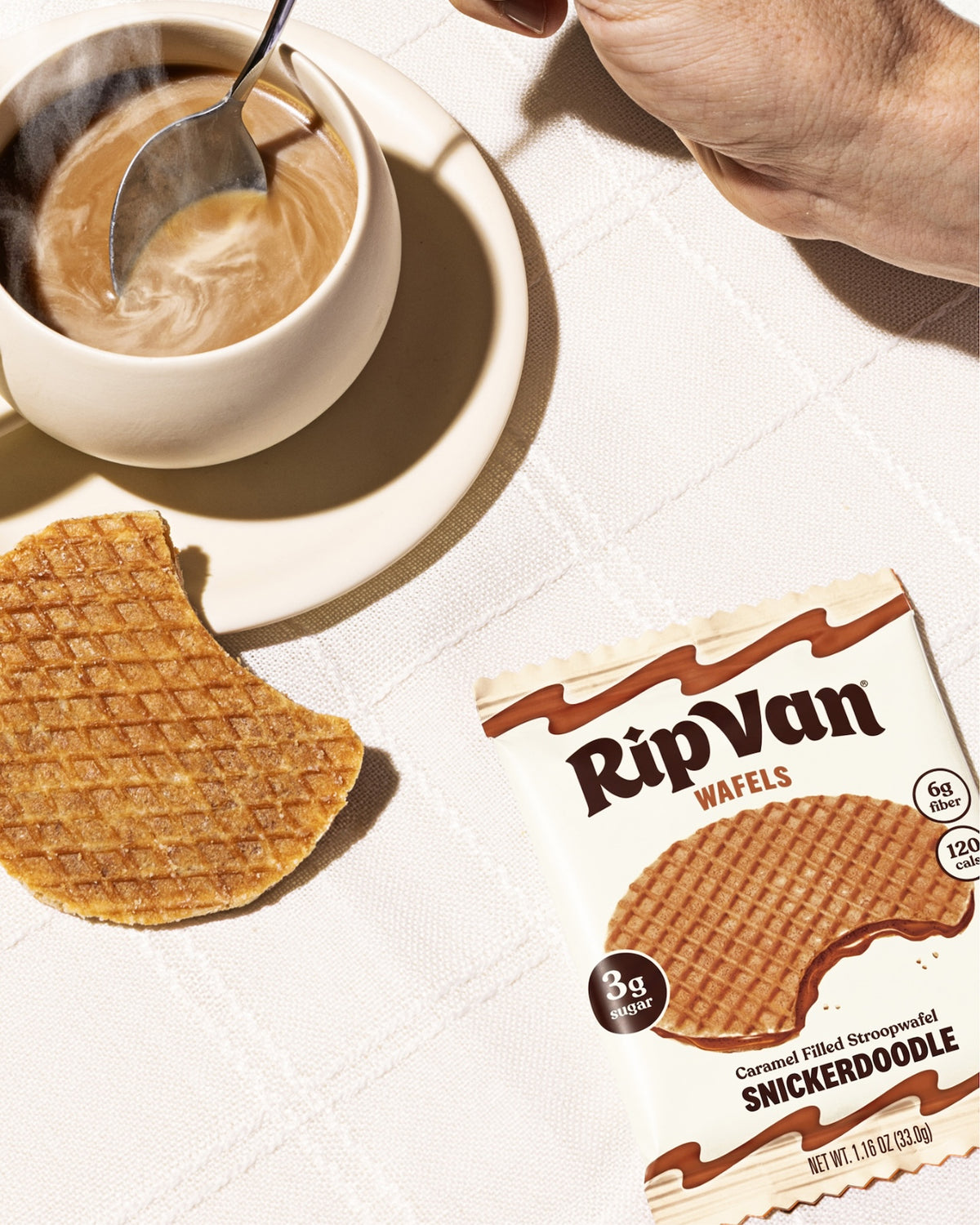
Some modern versions add fiber to the dough, which can make the waffle slightly denser. This is not necessarily a bad thing, but it does change the eating experience. If you compare them side by side, you might notice that the traditional one shatters more cleanly when you bite into it, while the lower-sugar one crumbles a bit more. The caramel syrup in the traditional version also tends to be more caramelized, with a deeper color and a more pronounced flavor of cooked sugar. The lower-sugar filling can be lighter in color and taste more like butter and vanilla than caramel.
For someone who grew up eating stroopwafels, the traditional texture is a benchmark. But for a newcomer, the lower-sugar version might feel more pleasant, especially if they are not used to intense sweetness. It is a matter of personal preference and what you are looking for in a filled cookie.
Practical considerations for everyday eating
If you eat stroopwafels regularly, the lower-sugar versions can be easier to incorporate into a varied diet. Because they are less sweet, they do not trigger the same sugar craving cycle that very sweet foods can. They also tend to have fewer calories per serving, though the difference is not always dramatic. The real advantage is the reduction in added sugar, which many health guidelines suggest limiting.
Traditional stroopwafels, on the other hand, are more of an occasional indulgence. They are perfect for a special breakfast, a holiday gathering, or a moment when you want a truly decadent treat. Their intense sweetness can feel overwhelming if you eat them too often, but when you do have one, it is a memorable experience. The cultural tradition behind them also adds to their appeal. Knowing that you are eating something that has been made the same way for generations can make the cookie taste even better.
Pairing with drinks and meals
Both types pair well with hot beverages, but the dynamics are different. A traditional stroopwafel is best placed on top of a steaming mug of coffee or tea. The heat from the drink softens the caramel, and the cookie acts like a lid, trapping the aroma. As you sip, the cookie softens further, and you can bite into it or let it drop into the cup. This ritual is a beloved part of Dutch coffee culture.
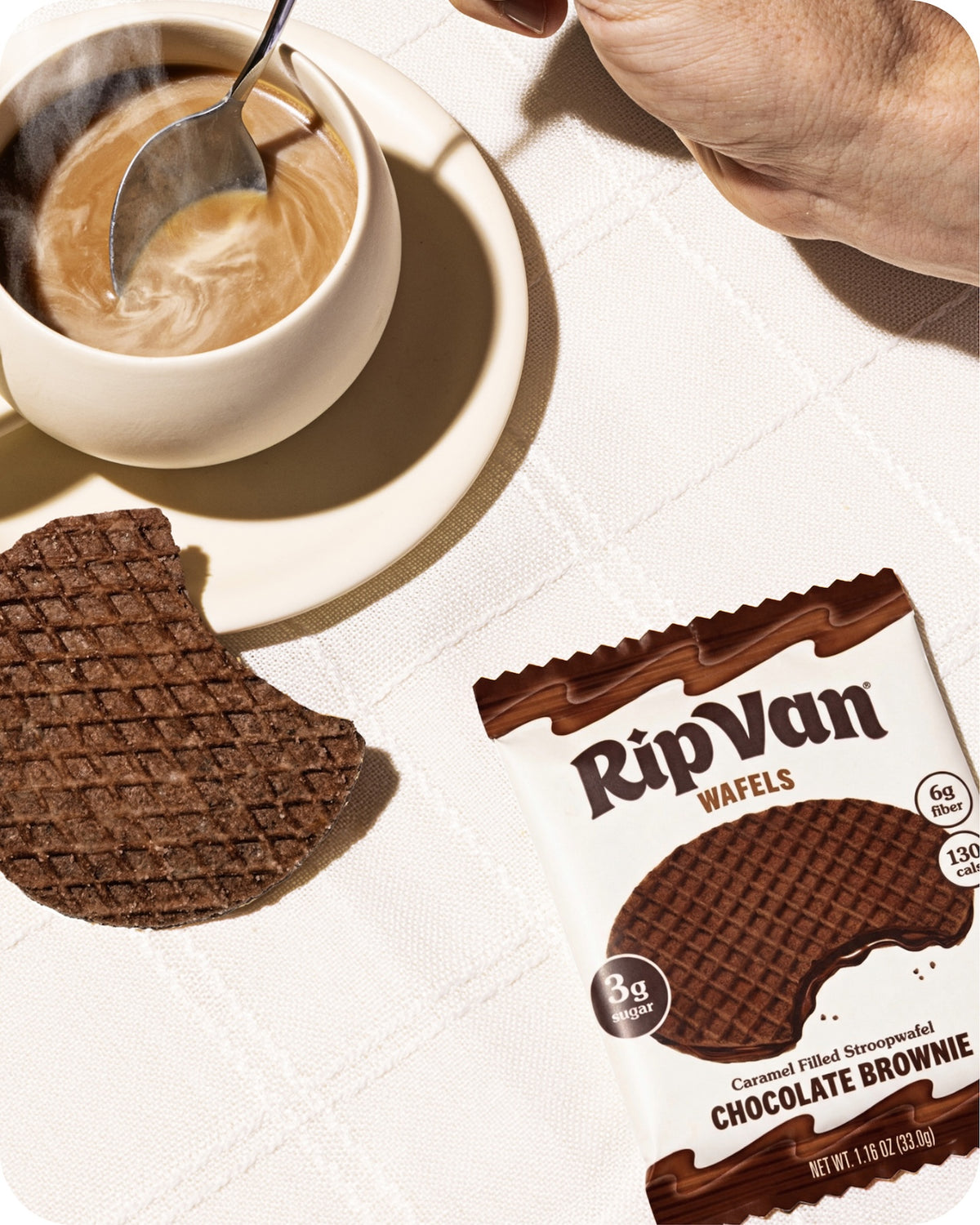
Lower-sugar stroopwafels work well in the same way, but they do not soften as dramatically. The filling stays firmer, so the cookie may not collapse into the drink the same way. Some people prefer this because it keeps the cookie intact longer. Both versions can be enjoyed alongside a glass of milk, a bowl of yogurt, or even crumbled over a dessert. The lower-sugar type is especially good with plain yogurt, where its mild sweetness complements the tartness without overwhelming it.
Making your choice
At the end of the day, the best stroopwafel is the one that fits your taste and lifestyle. If you want the full, authentic experience of Dutch caramel cookies, the traditional recipe is the way to go. If you want something you can enjoy more often without worrying about sugar intake, the modern lower-sugar versions are a thoughtful alternative. Neither is inherently better; they serve different purposes. Trying both and comparing them side by side is the best way to decide which one you prefer. Many people end up keeping both in the pantry, reaching for the traditional one when they want a special treat and the lower-sugar one for everyday snacking.
Whichever you choose, the stroopwafel remains a versatile and satisfying cookie. Its combination of crisp waffle and soft filling is a testament to the ingenuity of Dutch bakers. And with modern adaptations making it accessible to more people, this little caramel-filled disc is likely to stay popular for another two hundred years.